
Introduction – Drug Testing Before Hiring
In today’s job market, pre-employment screening has become standard practice for many employers. Understanding which jobs that require Drug testing before hiring can help job seekers prepare for the application process and set appropriate expectations. While only about 1.47% of job postings explicitly mention drug testing requirements, the actual percentage of employers conducting these screenings is much higher, particularly in certain industries.
Drug testing serves multiple purposes for employers: ensuring workplace safety, complying with federal regulations, reducing liability, and maintaining productivity. This comprehensive guide explores the industries and specific positions most likely to require drug testing, the types of tests used, and what job applicants should know before applying.
Why Employers Require a Drug Test for Certain Positions
Employers implement drug testing programs for several key reasons:
Safety Concerns
Safety-sensitive jobs almost always require pre-employment and random drug testing. When employees operate heavy machinery, drive vehicles, or are responsible for public safety, impairment can lead to serious accidents. According to recent statistics, substance use contributes significantly to workplace accidents, with drug and alcohol use costing U.S. companies approximately $100 billion annually.
Regulatory Requirements
Many industries face legal mandates for drug testing. Federal regulations, particularly those from the Department of Transportation (DOT), require testing for positions involving public transportation and safety. The Drug-Free Workplace Act of 1988 also requires certain federal contractors and all federal grantees to maintain drug-free workplace policies.
Productivity and Liability
Companies implement testing to reduce absenteeism, decrease turnover, and minimize potential liability issues. A drug-free work environment is associated with higher productivity and lower insurance costs, making testing a financial decision for many employers.
Industries With Jobs That Require Drug Testing
The prevalence of jobs that require drug testing varies significantly by industry and position. Here are the sectors most likely to conduct pre-employment drug screening:
Government and Public Service
Federal jobs typically maintain strict drug testing policies regardless of position level. Government agencies, particularly those involved in national security, law enforcement, and public safety, have some of the most comprehensive drug testing programs. This includes:
- Federal law enforcement officers
- Military personnel
- Postal service workers
- Security clearance positions
- Public safety officials
The federal government follows specific testing protocols outlined in Executive Order 12564, which established the Federal Drug-Free Workplace Program.
Healthcare
Healthcare jobs involving patient care or medication access have mandatory drug screening requirements. The healthcare industry maintains rigorous testing standards due to:
- Access to controlled substances
- Patient safety concerns
- Regulatory compliance requirements
- Professional licensing standards
Positions commonly tested include:
- Physicians and surgeons
- Nurses and nurse practitioners
- Pharmacists and pharmacy technicians
- Emergency medical technicians
- Home health aides
Transportation
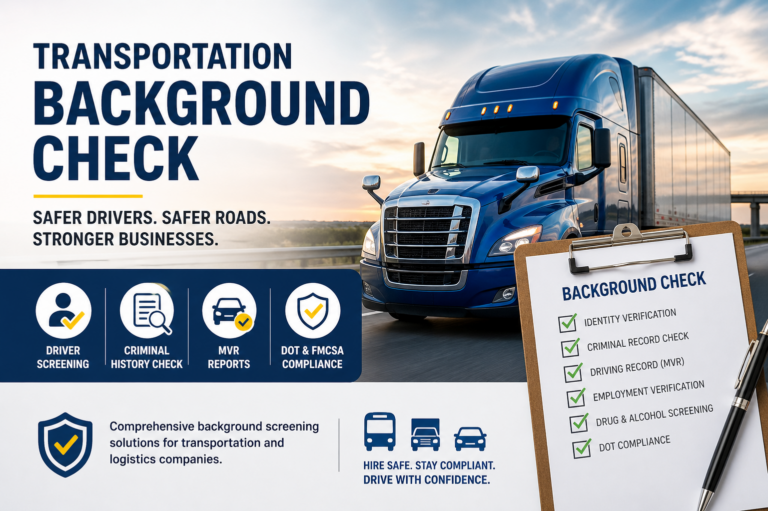
Transportation and aviation are two sectors with jobs that require random drug testing throughout employment. The Department of Transportation mandates testing for safety-sensitive positions, including:
- Commercial truck drivers
- Train operators
- Airline pilots and flight attendants
- Air traffic controllers
- Ship captains and crew members
DOT-regulated positions must follow specific testing protocols that include pre-employment, random, post-accident, reasonable suspicion, return-to-duty, and follow-up testing.
Construction and Manufacturing
Drug testing policies help maintain a safe work environment in industries with heavy machinery. Construction and manufacturing jobs frequently require testing due to:
- High-risk work environments
- Operation of dangerous equipment
- Workplace accident prevention
- Insurance requirements
Common positions subject to testing include:
- Heavy equipment operators
- Construction supervisors
- Assembly line workers
- Quality control specialists
- Maintenance technicians
Aerospace and Defense
The aerospace and defense industries maintain some of the strictest drug testing requirements due to security concerns and safety-critical operations. Positions in these sectors often require:
- Pre-employment screening
- Random testing programs
- Periodic testing for security clearance maintenance
Safety-Sensitive Jobs With Mandatory Testing Requirements
Certain positions across industries are classified as “safety-sensitive” and almost universally require drug testing:
Transportation Operators
Commercial drivers fall under DOT regulations requiring comprehensive drug and alcohol testing programs. The Federal Motor Carrier Safety Administration (FMCSA) mandates testing for anyone operating a commercial motor vehicle requiring a Commercial Driver’s License (CDL).
Healthcare Professionals With Medication Access
Healthcare professionals with access to controlled substances face stringent testing requirements. Many healthcare facilities implement testing to:
- Ensure patient safety
- Prevent drug diversion
- Comply with licensing board requirements
- Maintain accreditation standards
Heavy Machinery Operators
Positions involving the operation of dangerous equipment typically require pre-employment and random testing. This includes crane operators, forklift drivers, and industrial machine operators.
Emergency Response Personnel
First responders, including firefighters, paramedics, and emergency medical technicians, are commonly subject to drug testing due to the critical nature of their work and public safety implications.
Drug Testing as Part of the Background Check Process
A comprehensive background check often includes drug screening for positions in healthcare and transportation. The drug testing component typically occurs after a conditional job offer but before the start of employment.
Testing Process and Timeline
The drug testing process usually follows these steps:
- Conditional job offer extended
- Consent forms provided and signed
- Testing scheduled at approved facility
- Sample collection (urine, hair, oral fluid)
- Laboratory analysis
- Medical Review Officer evaluation
- Results reported to employer
Employers must follow specific legal guidelines when conducting a background check that includes drug testing. The Fair Credit Reporting Act (FCRA) governs how background checks are conducted, while various state laws may impose additional restrictions on drug testing practices.
Common Testing Methods
Employers use several testing methods, each with different detection windows and applications:
| Test Type | Detection Window | Primary Use Cases |
|---|---|---|
| Urine | 2-30 days | Pre-employment, Random |
| Oral Fluid | Minutes to 48 hours | Recent use detection |
| Hair | Up to 90 days | Long-term history |
| Blood/Breath | Current impairment | Post-accident |
A pre-employment drug test typically screens for five common substances including marijuana, cocaine, and opiates. The standard 5-panel test includes:
- Marijuana (THC)
- Cocaine
- Amphetamines/methamphetamines
- Opiates (heroin, morphine, codeine)
- Phencyclidine (PCP)
Some employers use expanded panels that also test for:
- Benzodiazepines
- Barbiturates
- Methadone
- MDMA (Ecstasy)
- Propoxyphene
How Drug Testing Impacts the Work Environment
A drug-free work environment is particularly important in positions that involve public safety. Companies implement testing programs to:
Enhance Workplace Safety
Drug testing policies are primarily designed to reduce workplace accidents and injuries. Industries with high accident rates, such as construction and manufacturing, report significant safety improvements after implementing comprehensive testing programs.
Reduce Liability and Costs
Employers cite reduced insurance premiums, workers’ compensation claims, and liability exposure as key benefits of drug testing programs. The return on investment for testing programs can be substantial, particularly in high-risk industries.
Address Productivity Concerns
Companies often cite improved work environment as a primary benefit of their drug testing programs. Studies suggest that substance use in the workplace contributes to:
- Increased absenteeism
- Higher turnover rates
- Decreased productivity
- More workplace conflicts
- Greater healthcare utilization
Jobs That Require Random Drug Testing After Hiring
Understanding which jobs that require random drug testing is important for long-term career planning. While pre-employment testing is common across many industries, certain positions are subject to ongoing random testing throughout employment:
DOT-Regulated Positions
Federal regulations mandate jobs that require random drug testing for positions covered under DOT guidelines. These include:
- Commercial drivers
- Pipeline operators
- Aviation personnel
- Railroad workers
- Maritime employees
DOT regulations require that employers randomly test a percentage of their safety-sensitive workforce each year, with rates determined by the specific agency and current industry drug use trends.
Federal Positions With Security Clearances
Government employees with security clearances are subject to random testing programs. The frequency and scope of testing often correlate with the level of clearance and sensitivity of the position.
Nuclear Power Industry Workers
The Nuclear Regulatory Commission requires random testing for workers with access to nuclear facilities or materials. These testing programs are among the most stringent in any industry due to the critical safety implications.
Legal Considerations and State Variations
Drug testing practices must comply with a complex framework of federal and state laws:
Federal Regulations
Federal laws that impact workplace drug testing include:
- Drug-Free Workplace Act of 1988
- Americans with Disabilities Act (ADA)
- Civil Rights Act (Title VII)
- Family and Medical Leave Act (FMLA)
These laws establish baseline requirements and protections for both employers and employees.
State-Specific Laws
State laws vary significantly regarding when and how employers can conduct drug testing. Some states have few restrictions, while others impose significant limitations:
- California restricts random testing except in safety-sensitive positions
- Maine requires probable cause for testing current employees
- Minnesota mandates written testing policies and rehabilitation opportunities
- Montana prohibits random testing except in safety-sensitive positions
Medical Marijuana Considerations
The legalization of medical marijuana in 38 states has complicated workplace drug testing policies. Employers must navigate the tension between:
- Federal law (which still classifies marijuana as illegal)
- State medical marijuana protections
- Workplace safety requirements
- Disability accommodation obligations
Some states now prohibit adverse employment actions based solely on positive marijuana tests for registered medical users, while others maintain employer rights to enforce drug-free workplace policies regardless of medical status.
Current Trends in Workplace Drug Testing
The landscape of employment drug testing continues to evolve:
Rising Positivity Rates
Recent data shows concerning trends in workplace drug testing results:
- Overall positivity rate: 5.7% (highest in two decades)
- Marijuana positivity: 4.5% (45.2% increase over five years)
- Test tampering: 600% increase in substituted specimens (2022-2023)
These statistics suggest that despite changing legal status for marijuana in many states, workplace drug use remains a significant concern for employers.
Changing Marijuana Testing Policies
Some employers are modifying their approach to marijuana testing due to:
- Changing legal landscape
- Tight labor market conditions
- Evolving social attitudes
- Challenges in distinguishing current impairment from past use
Several major employers have removed marijuana from their pre-employment testing panels for non-safety-sensitive positions, while maintaining testing for positions where impairment poses safety risks.
Conclusion – Drug Testing Before Hiring
The prevalence of jobs that require drug testing varies significantly by industry, with safety-sensitive positions almost universally requiring screening. Job seekers should research industry-specific requirements and company policies before beginning the application process, particularly in government, healthcare, transportation, construction, and aerospace sectors.
For employers, developing clear, consistent, and legally compliant drug testing policies remains essential. As regulations and social attitudes continue to evolve, particularly regarding marijuana, companies must regularly review and update their approaches to workplace drug testing.
Understanding the landscape of employment drug testing helps both job seekers and employers navigate this complex aspect of the hiring process, ensuring safety, compliance, and fair treatment for all parties involved.