
Introduction
In today’s data-driven world, background checks are essential tools for making informed decisions. Whether you’re hiring an employee, screening a tenant, issuing a professional license, or onboarding a contractor, understanding someone’s criminal history can help protect your organization, your property, and your reputation.
But not all criminal background checks are created equal. One of the most common sources of confusion is the difference between federal and statewide criminal record searches. Many people assume a “federal” search is the most comprehensive, or that a “statewide” search includes everything within a state’s borders. In reality, each type of search has its own scope, strengths, and limitations.
In this post, we’ll break down the differences between federal and statewide criminal searches, explain when to use each, and offer guidance on how to build a legally sound and effective screening strategy. We’ll also introduce RevealBackground.com—a trusted platform that helps employers, landlords, and individuals conduct compliant, multi-layered background checks with clarity and confidence.
Why Background Checks Matter
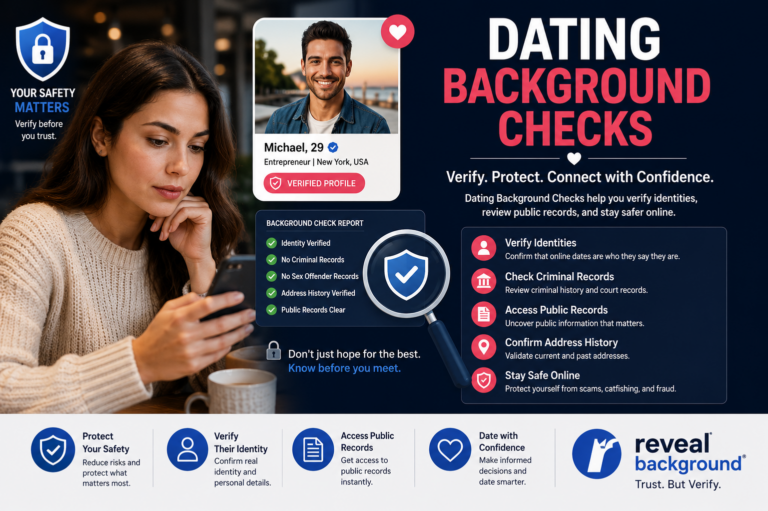
Background checks are used across industries and sectors to assess risk, verify identity, and ensure safety. Employers use them to avoid negligent hiring claims. Landlords use them to protect their properties and communities. Licensing boards use them to uphold professional standards. Even individuals use them to vet caregivers, roommates, or romantic partners.
Criminal background checks are especially important because they reveal past behavior that may indicate future risk. But the effectiveness of a background check depends entirely on the scope and accuracy of the search. That’s why understanding the difference between federal and statewide criminal searches is so critical.
What Is a Federal Criminal Search?
A federal criminal search checks records from the U.S. Federal District Courts, which handle violations of federal law. These courts operate independently from state and local systems, and their cases are not included in state or county criminal databases.
Purpose and Scope
Federal criminal searches are designed to uncover offenses prosecuted by the federal government. These are typically more serious or complex crimes that cross state lines, involve federal agencies, or violate federal statutes.
Types of Crimes Included
- White-collar crimes: Fraud, embezzlement, insider trading
- Bank robbery and financial crimes
- Federal drug trafficking offenses
- Immigration violations
- Cybercrime and identity theft
- Crimes involving federal property or personnel
- Interstate crimes (e.g., kidnapping, trafficking)
These offenses are prosecuted in one of the 94 U.S. District Courts and are often investigated by agencies like the FBI, DEA, or Homeland Security.
How Results Are Accessed
Federal criminal records are accessed through systems like:
- PACER (Public Access to Court Electronic Records): A searchable database of federal court filings
- Third-party platforms: Like RevealBackground.com, which aggregate federal data into user-friendly reports
RevealBackground.com simplifies access to federal records by integrating PACER data into its screening tools, allowing users to search across all federal districts with a single query.
Pros
- Covers serious offenses that may not appear in state or county databases
- Useful for screening candidates in regulated industries or high-trust roles
- Provides insight into federal-level investigations and prosecutions
Limitations
- Does not include state or local crimes
- May miss misdemeanors, DUIs, or other offenses prosecuted at the state level
- Requires careful interpretation—some records may be sealed or incomplete
What Is a Statewide Criminal Search?
A statewide criminal search pulls records from state law enforcement agencies or central repositories. These databases compile information from county courts, local police departments, and state prosecutors.
Purpose and Scope
Statewide searches are designed to provide a broad view of criminal activity within a specific state. They’re commonly used for employment, housing, and licensing decisions at the local or regional level.
Crimes Included
- Theft, burglary, and assault
- Drug possession and distribution (within state jurisdiction)
- Domestic violence
- Misdemeanors and felonies prosecuted at the state level
- Traffic violations and DUIs (in some states)
These offenses are typically prosecuted in county courts and reported to the state’s central repository.
Variability by State
Each state manages its criminal database differently:
- Some states offer comprehensive, centralized repositories
- Others rely on fragmented county-level reporting
- Access and completeness vary widely
RevealBackground.com helps users navigate this complexity by offering multi-jurisdictional searches and flagging gaps in coverage.
Pros
- Captures common offenses that occur within the state
- Useful for local hiring and tenant screening
- Often includes both felonies and misdemeanors
Limitations
- May miss federal crimes or offenses committed in other states
- Not all counties report consistently to the state database
- Some records may be outdated or incomplete
Key Differences Between Federal and Statewide Criminal Searches
Here’s a side-by-side comparison to clarify how these searches differ:
| Feature | Federal Search | Statewide Search |
| Jurisdiction | Federal level | State level |
| Types of Crimes | Federal offenses | State offenses |
| Database | U.S. District Courts (PACER) | State criminal repositories |
| Scope | May miss state/local offenses | May miss federal crimes |
| Availability | All 94 federal districts | Varies by state |
| Use Cases | High-trust roles, federal compliance | Local hiring, housing, licensing |
When Should You Use Each Type of Search?
Choosing the right type of criminal search depends on your goals, industry, and risk tolerance.
Use Federal Criminal Searches When:
- Screening for executive or financial roles
- Hiring in government-regulated industries (e.g., banking, defense, healthcare)
- Vetting candidates with multi-state work histories
- Investigating white-collar or cybercrime risks
Federal searches are especially valuable in industries where trust, compliance, and national security are top priorities.
Use Statewide Criminal Searches When:
- Hiring for local or regional positions
- Screening tenants in a specific state
- Conducting licensing checks for professions regulated at the state level
- Looking for common offenses like theft, assault, or drug possession
Statewide searches offer a practical balance of coverage and cost for most routine screening needs.
Ideal Approach: Combine Both
For comprehensive coverage, it’s best to combine federal and statewide searches—along with county-level and national database checks. RevealBackground.com makes this easy by offering bundled screening packages that layer multiple sources into one report.
Common Misconceptions
Understanding what each search does—and doesn’t—cover is key to avoiding costly mistakes.
“Federal Means Everything”
Many assume a federal search includes all criminal records. In reality, it only covers cases prosecuted in federal courts. It won’t show state-level offenses like DUIs, theft, or assault.
“Statewide Is Automatically Better Than County”
Statewide searches are broader than county checks—but not always more complete. Some counties fail to report regularly, and certain offenses may only be available at the local level.
“There’s One Master Database”
No single database includes every criminal record. That’s why layered searches—federal, state, county, and national—are essential for thorough screening.
RevealBackground.com helps users avoid these pitfalls by clearly labeling each search type and explaining what’s included.
Final Thoughts
Criminal background checks are powerful tools—but only when used correctly. Choosing the right type of search can mean the difference between catching a serious red flag or missing a critical detail.
- Federal searches uncover serious, high-level offenses.
- Statewide searches reveal common crimes within a specific jurisdiction.
- County and national searches add depth and fill in gaps.
For most employers, landlords, and licensing agencies, a combination of search types is the best strategy. RevealBackground.com simplifies this process by offering customizable screening packages, FCRA-compliant workflows, and clear explanations of each search’s scope.
Whether you’re hiring for a sensitive role, renting out a property, or issuing a professional license, understanding the difference between federal and statewide criminal searches is essential. With the right tools and knowledge, you can screen smarter, stay compliant, and make decisions with confidence.
Would you like this repurposed into a downloadable guide, email series, or landing page? I can also tailor it for specific industries like healthcare, finance, or property management.