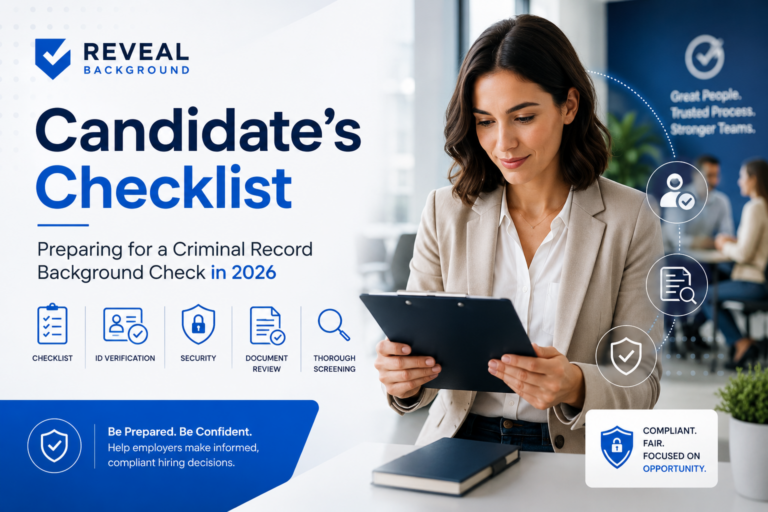

Employee background screening has become a critical process for companies aiming to ensure a safe, productive, and trustworthy workforce. In today’s highly competitive and regulated work environment, employers must carefully assess candidates not only for their qualifications but also for their integrity and reliability. However, as important as it is, the process of conducting background checks is far from simple. It involves numerous legal, ethical, and logistical complexities that can trip up even the most seasoned HR professionals.
In this blog, we’ll explore the various aspects of employee background screening, the challenges companies face, and how to navigate them to build a strong, ethical, and legally compliant hiring process.
What is Employee Background Screening?
Employee background screening is a process used by employers to verify information about potential hires. This can include checking criminal records, verifying educational qualifications, validating employment history, and assessing credit and financial status. Essentially, the goal is to ensure that the individual being considered for a position is trustworthy, capable, and a good fit for the company.
Background screening is an essential part of recruitment because it helps mitigate potential risks associated with hiring an individual with a history of misconduct, fraud, or other issues that could harm the organization. For many businesses, background checks help in safeguarding assets, protecting their reputation, and ensuring the safety of employees and clients.
The Legal Landscape of Employee Background Screening
One of the key complexities of employee background checks is navigating the legal landscape. Employers must adhere to federal, state, and local regulations to ensure that the background screening process is fair, non-discriminatory, and respectful of candidates’ privacy rights.
- Fair Credit Reporting Act (FCRA)
The Fair Credit Reporting Act (FCRA) is one of the most important federal laws governing background checks in the United States. The FCRA mandates that employers must obtain written consent from candidates before conducting a background check. It also requires employers to notify candidates if they plan to take an adverse action (such as not hiring a candidate) based on information in the report. Additionally, if an employer uses a third-party background screening service, they must ensure that the company is FCRA-compliant. - Ban the Box Laws
Many states and municipalities have enacted “Ban the Box” laws, which prohibit employers from asking about a candidate’s criminal history on job applications. These laws aim to provide individuals with criminal records a fairer opportunity to be considered for jobs without discrimination at the application stage. Employers must be aware of these laws when developing their screening processes, as they differ across jurisdictions. - Equal Employment Opportunity (EEO) Laws
The Equal Employment Opportunity Commission (EEOC) enforces laws that prevent discrimination in hiring based on race, color, national origin, sex, disability, or religion. When conducting background checks, employers must ensure that they do not unfairly discriminate against candidates with criminal records, especially if the offenses are unrelated to the position being applied for. - State-Specific Regulations
On top of federal laws, states and cities may have additional regulations governing background screening. For example, certain states limit how far back employers can look into an applicant’s criminal history, while others may require specific disclosures when conducting background checks. Employers need to stay up-to-date on these laws to avoid legal pitfalls.
Types of Background Checks
There are several types of background checks that employers can conduct, each serving a specific purpose. Below are the most common types of background screening:
- Criminal Background Check
A criminal background check is perhaps the most common type of background screening. It involves searching local, state, and federal databases for any criminal convictions or charges. The results help employers identify individuals with a history of violent crime, fraud, or other offenses that might make them unsuitable for a particular role. - Employment Verification
Employment verification checks the accuracy of a candidate’s work history. Employers typically contact previous employers to verify job titles, employment dates, and responsibilities. This helps ensure that the candidate has the experience they claim to have. - Education Verification
Education verification is conducted to confirm the accuracy of the applicant’s educational qualifications. This check typically involves contacting the universities or institutions listed on a candidate’s resume to confirm degrees earned and dates attended. - Credit History Check
A credit report is often reviewed for positions that involve financial responsibilities, such as those in banking or accounting. While it’s a useful tool in assessing a candidate’s financial responsibility, it must be used with care to avoid violating discrimination laws. - Drug and Alcohol Screening
In certain industries, employers may require drug and alcohol testing as part of the background check process. This can help companies maintain a drug-free workplace, especially in safety-sensitive industries such as transportation, healthcare, or construction. - Reference Check
Reference checks are a valuable part of the hiring process that often get overlooked. Speaking with a candidate’s previous supervisors or colleagues can provide valuable insight into the individual’s work ethic, communication skills, and cultural fit within a team.
The Challenges of Employee Background Screening
While background screening is essential, several challenges can complicate the process. Here are a few key issues employers must be aware of:
- Compliance with Laws and Regulations
As mentioned earlier, legal compliance is one of the most significant challenges in employee background screening. Employers must ensure that they follow all applicable federal, state, and local regulations, which can vary widely. Failing to comply can result in costly fines or lawsuits. The legal landscape is also evolving, with new laws frequently being introduced to address issues like criminal justice reform and data privacy. - Accuracy and Reliability of Information
Background checks rely on data from third-party providers, databases, and previous employers. However, not all information is always accurate or complete. Criminal records may be outdated, or educational qualifications may not be recorded properly. Employers must take steps to verify that the information they are receiving is accurate and up-to-date. - Bias and Discrimination Concerns
Background checks must be performed in a way that avoids any discriminatory practices. For example, certain criminal offenses may disproportionately affect certain racial or ethnic groups, potentially leading to biased hiring decisions. Employers must be mindful of how they interpret criminal records and ensure they are not making decisions based on stereotypes or prejudice. - Data Privacy and Candidate Consent
Employee background checks involve handling sensitive information, such as criminal history, financial records, and personal identifiers. Employers must be vigilant in protecting this data and ensuring that candidates’ privacy is respected. Clear consent forms must be obtained, and the data must be stored securely to prevent breaches. - Cost and Time Constraints
Background checks can be costly and time-consuming, especially when they involve multiple stages (e.g., criminal history, employment verification, credit reports). Employers need to balance thoroughness with efficiency to avoid delays in the hiring process and additional costs.
Best Practices for Navigating Employee Background Screening
To navigate these complexities successfully, employers should adopt best practices that not only ensure compliance but also help streamline the screening process. Here are some recommendations:
- Create a Clear Background Check Policy
Employers should have a formal background check policy that outlines the types of checks to be performed, the process for obtaining consent, and how results will be used in decision-making. This policy should be transparent and applied consistently to all candidates to avoid discrimination claims. - Be Transparent with Candidates
Inform candidates early in the process that a background check will be conducted. Obtain their consent in writing and clearly explain what will be checked and how the results will impact their application. - Partner with a Reputable Screening Provider
If using a third-party service for background checks, ensure that the provider is reputable and compliant with all relevant laws, including the FCRA. The provider should also offer detailed reporting and support in case of any disputes. - Use Background Checks Appropriately
Use the results of background checks to make informed decisions that are relevant to the job. For example, avoid disqualifying a candidate for a minor or unrelated offense. Be sure to evaluate candidates on a case-by-case basis and consider their qualifications, experience, and character. - Stay Updated on Legal Changes
The laws surrounding background screening are constantly evolving, so it’s crucial for employers to stay informed about any legal changes that may affect their screening practices. Regularly review your policies to ensure compliance.
Conclusion
Navigating the complexities of employee background screening is not without its challenges, but it is an essential part of the hiring process that can help safeguard your business, promote workplace safety, and protect your company’s reputation. By understanding the legal landscape, conducting thorough and ethical background checks, and staying compliant with regulations, employers can build a strong workforce that contributes to the success of the organization. The key is to balance thoroughness with fairness and respect for candidates’ rights, ensuring that the process remains transparent, non-discriminatory, and legally compliant.